Insights|
The FDA Did Not Approve Peptides. Here Is What Actually Happened.
By Dr. Nicki Byrne, Medical Director, Optispan
Your feed might have told you that the FDA approved peptides. That is not exactly what happened, and the gap between the headline and the actual decision matters if you are someone weighing whether peptides belong in your own care.
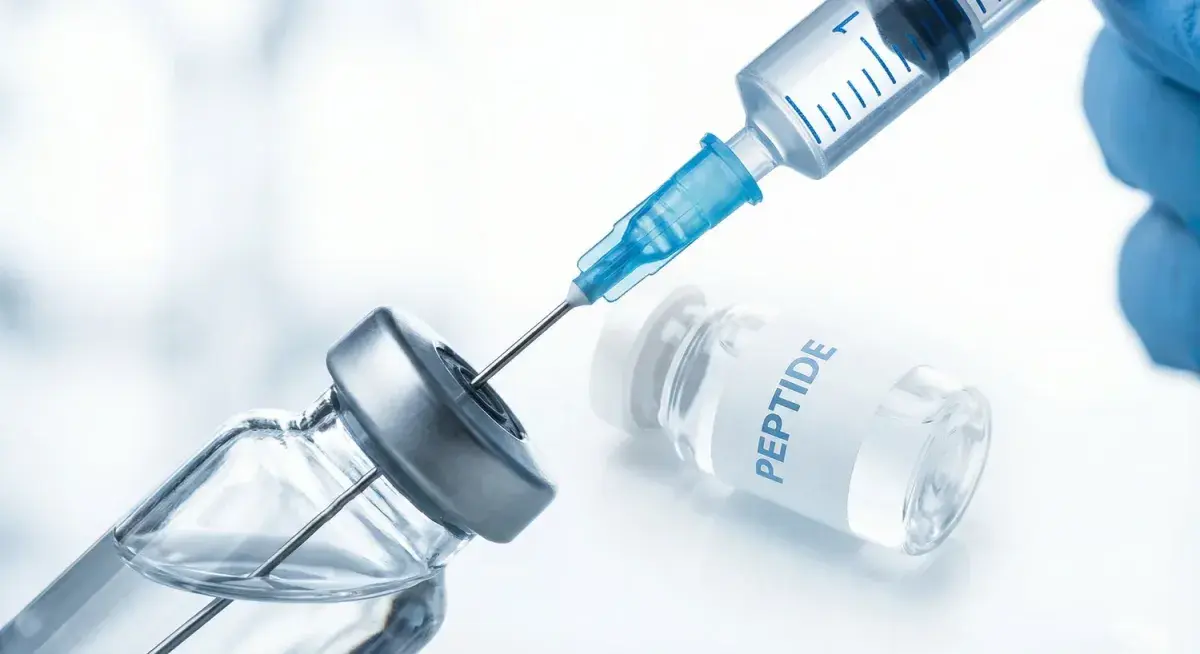
On July 23 and 24, 2026, the FDA's Pharmacy Compounding Advisory Committee, or PCAC, met at the agency's White Oak campus in Maryland to review seven peptide-related bulk drug substances. After two days of staff presentations, public testimony, and debate, the committee recommended six of them move forward: BPC-157, KPV, TB-500, MOTS-c, Semax, and Epitalon. It declined to recommend a seventh, emideltide, also known as delta sleep-inducing peptide.
That is the entire scope of what was decided. It does not mean these compounds have been FDA approved.
What the vote was actually about
The 503A Bulks List is a federal list of raw substances that traditional compounding pharmacies are permitted to use when preparing an individualized prescription. A recommendation to add something to that list is a question about pharmacy access. It is not a finding that a drug is safe and effective for a particular use.
So the question in front of this committee was not whether these peptides work. It was whether compounding pharmacies will be able to legally make them for someone holding a prescription from a licensed provider.
The committee also was not evaluating these compounds for the reasons most people are hearing about them. The review was anchored to specific medical indications drawn from the nomination record: ulcerative colitis, wound healing, obesity and osteoporosis, cerebral ischemia, and insomnia. Muscle growth, longevity, and anti-aging use were not on the docket.
The votes were close, and FDA scientists disagreed
None of these recommendations were lopsided. BPC-157, KPV, and TB-500 each advanced on an 8 to 6 vote with one abstention. MOTS-c passed 7 to 5 with two abstentions. Emideltide failed 7 to 6, with one abstention.
Agency scientists had recommended against adding any of the seven, citing limited human clinical data and unresolved safety questions. The committee voted the other way.
Nothing has changed yet
PCAC recommendations are advisory and non-binding. Before any of these six peptides could be lawfully compounded under Section 503A, the FDA would still need to accept the recommendation and then complete formal notice-and-comment rulemaking. Legal analysts following the process expect that to run into 2027 or beyond.
Nothing is legal today that was not legal before the meeting.
The agency has also signaled that PCAC will convene again before the end of February 2027 to consider five additional substances, including GHK-Cu, Melanotan II, LL-37, dihexa acetate, and PEG-MGF.
Do I think this is a step in the right direction? Sort of.
Peptides have been in wide use for several years already. The gap I keep running into clinically is not access. It is evidence. What we truly need is a repository where success stories, risks, and drug-drug interactions are documented in a way we can actually learn from. This vote does not build that.
What it may eventually do is narrower, and it is worth naming honestly. If people are going to continue using peptides, and I certainly think that they are, then being able to obtain them from a licensed compounding pharmacy, where we know what is actually in the vial, is a meaningfully safer path than the current grey market.
So if peptides are on your radar, do your homework. Talk to a physician who knows your medical history and your biomarkers, and who can tell you what we actually know about a given compound and what we still do not.